


Conference Workshops
AAZK conference workshops explore a range of topics related to animal care, zoo operations, and conservation. Each day of the conference, workshops will be offered concurrently in the afternoon sessions.
-
Workshops in the Pavilion room are open to all participants.
-
Workshops in the Venice 4 room are limited to 60 participants maximum (you may only register for a maximum of two (2) limited participant workshops).
Note:
-
Attendees who sign up for an AAZK Professional Certificate Course (PCC) will not be able to attend any workshops.
-
Attendees may only register for a maximum of two (2) limited workshops (60 participant workshop).

Is it Alive? Generating Empathy for and Connections to Our Many-legged, No-legged, and Scaly residents
Philina Richardson (Point Defiance Zoo and Aquarium)
Craig Standridge (Northwest Trek Wildlife Park)
This workshop will familiarize participants with empathy for wildlife, empathy best practices, and tips and tricks for connecting Zoo guests with our more underappreciated residents. It offers a snapshot of information that is unplugged from the content presented in the corresponding AAZK Professional Certificate Course, Empathy for Wildlife: Using Empathy to Support Your Mission and Drive Conservation Action, Sponsored by Mixlab.
Between 2015 and 2017, Woodland Park Zoo, Seattle Aquarium, and Point Defiance Zoo & Aquarium collaborated to define empathy for wildlife and develop tools necessary to measure it. From that work grew the Advancing Conservation through Empathy for Wildlife Network (ACE Network). As members of the network, Point Defiance Zoo & Aquarium (PDZA) and Northwest Trek Wildlife Park (NWT) share best practices, assessment tools, and learning opportunities with affiliated institutions in the United States and abroad.
Pavillion Room /
Open to All Participants
Mon., Sept. 14 1:00pm - 3:00pm
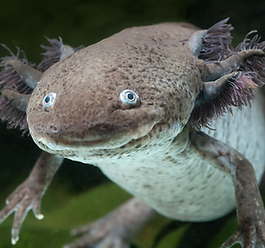
Taking the Lead in Axolotl Welfare: The Practical System of the ROMA Project for Evidence-Based Diagnosis
MIGUEL ANGEL RODRIGUEZ ANDRADE (Parque Zoologico Benito Juarez)
M.C. ALEJANDRA GALVEZ GUTIERREZ. (Parque Zoologico Benito Juarez)
The management of the Mexican axolotl (Ambystoma mexicanum), a critically endangered species, is often hampered by a lack of standardized health protocols. This hands-on workshop introduces the ROMA Project (Optimized Recovery of Analysis Samples), a validated system that empowers keepers to "take the reins" of the diagnosis and management of this species. Participants will be immersed in the results of our study, where the application of this protocol in 4 specimens revealed a 100% prevalence of dehydration and hypoglycemia, and a 75% rate of subclinical parasitosis. Through interactive stations, attendees will learn the minimally invasive ROMA protocol for sedation and blood sampling, practice interpreting real anonymized hematological and biochemical data, and develop a corrective action plan based on specific findings. The workshop focuses on immediately applicable tools, including the correlation between water quality and clinical outcomes, and how to use this data for proactive decision-making and the continuous improvement of animal welfare.
Venice 4 Room /
60 Participants Maximum
Mon., Sept.14. 1:00pm - 3:00pm

The Power of Connection: Turning Passion into Community Action
Frank Verney
Stepping forward with purpose, leadership, and creativity is essential to guiding your AAZK Chapter toward stronger community engagement and greater conservation impact. This presentation encourages members to take the rains, to lead with confidence, direction, and collaboration, building meaningful connections beyond the zoo gates and amplifying their reach within the community. The session explores how effective networking and promotion can transform a chapter from an internal professional group into a visible, respected community presence. Participants will learn strategies for building partnerships with local schools, businesses, conservation organizations, and civic groups, while emphasizing the vital role zookeepers play in both global and local wildlife conservation. By sharing your chapter’s story through social media, public programs, and collaborative events, members can inspire pride, attract supporters, and open doors to new opportunities. Through examples of successful outreach, including Shores to Safari and Crash the Cellar, this presentation offers practical tools for crafting a strong chapter identity, increasing public awareness, and engaging audiences of all ages. Attendees will leave with actionable ideas to enhance visibility, strengthen partnerships, and create lasting community impact. Ultimately, taking the rains is about more than leadership, it’s about unity, initiative, and inspiring your community to join in the shared mission of protecting wildlife and wild places.
Pavillion Room /
Open to All Participants
Mon., Sept.14th 3:30-5:30pm

Cheetah Conservation: A Model for Success in Saving Big Cats
Jess Sorrentino (Cheetah Conservation Fund)
As the leading organization in the conservation of, education about, and research on cheetahs, Cheetah Conservation Fund has over 35 years of experience in developing successful conservation strategies to ensure the future in the wild of this highly endangered cat. Cheetahs are considered one of the oldest big cat species with fossil records dating back over four million years. After surviving intense genetic bottlenecks, multiple species-destroying diseases, popularity as pets and hunting companions, and intense habitat loss, cheetahs are making a comeback through a holistic approach to conservation implemented by organizations working throughout their range. Using the extensive in situ experience with cheetahs, this workshop provides a model applicable to the successful conservation of all the world’s big cat species. In this class, students will learn about the natural history of cheetahs, their behaviors, holistic conservation strategies, and more. Hosted and conducted by CCF, the class incorporates other presenters working in cheetah range countries such as Action for Cheetahs in Kenya and Cheetah Outreach. At the conclusion of the workshop, students will have a wealth of knowledge about a successful conservation model applicable to all big cats, cheetah natural history and conservation, and the importance of collaboration. Participants will have an exclusive opportunity to take the “Certified Cheetah Interpreter” test on the CCF website via a link sent following the class. Passing the test makes participants eligible to receive a certificate as well as a commemorative pin to put on their uniform identifying them as official “CCF Certified Cheetah Interpreters.”
Venice 4 Room /
60 Participants Maximum
Mon., Sept.14th 3:30-5:30pm

Foundations of Marine Invertebrate Husbandry: Ecology and Taxonomy Essentials
Mark Murray, (Point Defiance Zoo and Aquarium)
Megan Rusin (Point Defiance Zoo and Aquarium)
This two-hour introductory session lays the groundwork for effective marine invertebrate husbandry by exploring the ecological and taxonomic diversity of aquatic invertebrates commonly housed in zoological and aquarium settings. This workshop is intended to offer a snapshot of information that is unplugged from the content presented in the corresponding AAZK Professional Certificate Course, Husbandry and Management of Aquatic Marine Invertebrates, sponsored by Hayward Flow Control.
The first hour provides a dynamic overview of key oceanographic and ecological principles—such as light, temperature, nutrient cycles, and habitat zones (e.g., intertidal, coral reef, deep sea)—that shape the lives of marine invertebrates in their natural environments. Participants will examine how these abiotic and biotic factors influence behavior, feeding strategies, reproductive modes, and stress responses, with attention to implications for in situ care. The second hour introduces the major marine invertebrate phyla, offering a structured taxonomy overview that includes annelids, arthropods, cnidarians, echinoderms, mollusks, and others. The session emphasizes traits relevant to husbandry, such as larval development, symbioses, and environmental tolerance. Attendees will gain a stronger framework for identifying species, understanding their natural history, and tailoring care protocols accordingly. This foundational knowledge sets the stage for more advanced discussions throughout the course.
Pavillion Room /
Open to All Participants
Tues., Sept. 15th 1:00-3:00pm
Stronger Themes for Stronger Impact: Crafting Keeper Talks That Truly Land
Nicole McCormick (Point Defiance Zoo & Aquarium)
Amy Hale (Point Defiance Zoo & Aquarium)
Many of us want to deliver talks that are more engaging and meaningful, but it can be challenging to know where to start… especially when it comes to developing a theme. Interpretive themes can sometimes feel abstract, overly academic, or like a thing that only educators worry about. In reality, though, a strong theme is one of the most keeper-friendly interpretive tools available. A strong theme statement clarifies your purpose, helps you know what belongs in your talk (and what doesn’t), and gives your audience a clear and memorable idea to walk away with. This interactive workshop breaks down the idea of “theme” into practical and approachable steps. It is designed specifically for keeper talks, but useful for anyone who delivers public presentations. Through hands-on activities, group challenges, and real-world practice, participants will practice creating and using themes. We’ll explore how a well-crafted theme not only boosts your confidence as a presenter but also makes it easier for guests to follow your storytelling narrative and to connect emotionally with the animals in your care. At the end of the session, you’ll walk away with simple tools and tested strategies that will help you build talks that are clearer, more intentional, and far more impactful – all by embracing the power of a strong theme.
Venice 4 Room /
60 Participants Maximum
Tues., Sept.15th 1:00-3:00pm

Keeper Professional Development: Managing “Monkey Mind” for Psychological Well-Being and Longevity in Zookeeping
Dr. Liz Hirschhorn, Ph.D.
Hirschhorn Psychology, PLLC
Getting through your lengthy task list and then One More Thing happens? Love your work and also feel like the "melting face" emoji at the same time? Research literature indicates that zoo and aquarium animal care is a profoundly rewarding but uniquely challenging profession, and these challenges are associated with burnout and mental health concerns. Further, these difficulties occur within the context of zookeeping's high demands on attention, concentration, mood management, and collaboration with others. Led by a clinical psychologist with years of professional experience, this workshop will offer attendees an introduction to practical, research-based cognitive and behavioral tools to “take the reins” on their psychological well-being as professionals. The session will provide hands-on experience in three key areas: practice in managing our highly-active “monkey minds” as humans, pocket-sized skills for regulating emotions in real time, and steps to set adaptive and effective boundaries around work. Participants will leave with concrete strategies to fortify their mental health, reduce burnout risk, and sustain a fulfilling career. Content will also emphasize the importance of knowing when and how to access available mental health resources to be at their best.
Pavillion Room /
Open to All Participants
Tues., Sept. 15th 3:30-5:30pm

Beyond Cockroaches: Elevating Terrestrial Invertebrates in Zoo and Aquarium Experiences
Jessica Sutherland (Point Defiance Zoo & Aquarium)
Jarek Sarnacki (Point Defiance Zoo & Aquarium)
Terrestrial invertebrates are the most diverse and ecologically essential animals on Earth—yet they remain strikingly underrepresented in habitat displays and educational programming. Too often, facilities showcase only a few species, like cockroaches or a tarantula, to represent this vast group. Terrestrial invertebrates are ecosystem linchpins, providing critical services to both humans and wild spaces, and they deserve more visibility and empathy in our modern world. Join us for an interactive workshop exploring practical strategies to bring greater diversity of terrestrial invertebrates into your care and habitats. Learn the fundamentals of husbandry for sphinx moths, stick insects, and mantises, and discover how to design habitats that promote animal wellbeing while captivating visitors. We’ll also demystify the permitting process—why it matters and how to navigate it successfully. Whether you’re looking to expand your collection or enhance your educational impact, this session will equip you with actionable ideas to celebrate these unsung heroes of our ecosystems.
Venice 4 Room /
60 Participants Maximum
Tues., Sept.15th 3:30-5:30pm

Marine Invertebrate Health and Well-Being: Practical Approaches for Managed Care
Cara Wendel (Point Defiance Zoo & Aquarium) and Dr. Sasha Troiano (Seattle Aquarium)
This workshop is a late addition to the conference program. Space is limited due to room capacity, but there is no advance sign-up.
Marine invertebrates present unique challenges for animal care professionals due to
their extraordinary diversity, varied life histories, and often subtle indicators of health
and stress. This two-hour workshop provides a practical introduction to assessing and
promoting the health and well-being of marine invertebrates in aquarium and zoological
settings. Participants will explore the foundations of marine invertebrate health,
including quarantine and biosecurity principles, physical examination techniques,
recognition of common diseases across major taxonomic groups, and the use of basic
diagnostic methods and treatment strategies. Clinical case examples will illustrate how
early detection and preventative health practices contribute to successful long-term
management.
The workshop will then examine the growing field of marine invertebrate well-being,
highlighting how behavioral enrichment and welfare assessment can be applied to taxa
that have traditionally received less attention in animal welfare programs. Through
practical examples, including octopus enrichment and interactive touch exhibit
management, participants will learn strategies for evaluating behavioral indicators,
designing species-appropriate enrichment, and balancing educational opportunities with
animal welfare. Additional discussion will address habitat design, life support
considerations, rest and rotation protocols, and methods for assessing the well-being of
animals in touch experiences.
Designed for aquarists, animal care staff, veterinary professionals, and students, this
workshop provides participants with practical tools and evidence-based approaches that
can be immediately applied to improve health monitoring, preventative care, and overall
well-being for a diverse range of marine invertebrate species in managed collections.
Venice 4 Room/
60 Participants Maximum
Thurs., Sept. 17th 8:00-10:00 AM
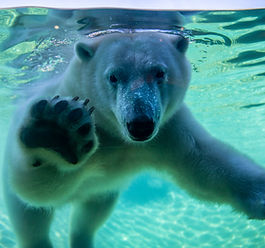
Polar Bear Care and Research
Sheriden Ploof (Point Defiance Zoo and Aquarium)
Point Defiance Zoo and Aquarium (PDZA) has been home to polar bears for over 80 years, and the zoo’s animal care and board-certified veterinary teams bring decades of expertise in caring for these majestic creatures. This workshop is intended to offer a snapshot of information that is unplugged from the content presented in the corresponding AAZK Professional Certificate Course, Advanced Husbandry of Marine Mammals, sponsored by Polar Bears International.
Participants will learn how to provide opportunities and create training plans to help build resilience in hand-raised animals as young adults. Participants will also learn how zoo-based research with polar bears has been applied to in-situ populations. The zoo is a leader in polar bear research and conservation, collaborating with organizations like Polar Bears International to help study and protect polar bears in the Arctic. As a certified Arctic Ambassador Center through Polar Bears International, the zoo has supported innovative research, including the “Burr on Fur” study, which tests bear-friendly methods for attaching tracking devices to monitor wild polar bear movement patterns. PDZA has also partnered with scientists from the University of Washington to study hair growth in zoo bears to assess stress levels, contaminant exposure, and nutritional needs in wild polar bears.
Pavillion Room /
Open to All Participants
Thurs., Sept. 17th 1:00-3:00pm

Forging Effective Working Relationships between Zoological & Facilities Staff
John Joy (Northwest Trek Wildlife Park)
Haley Withers (Northwest Trek Wildlife Park)
Successful operations of zoos and aquariums largely rely on the expertise and efforts of diverse frontline staff. Notable among these are zoological staff – responsible for the care of the charismatic wildlife ambassadors inherent to such institutions – and facilities staff – responsible for the integrity and upkeep of animal exhibitry, holding spaces, and shared infrastructure. Establishing cooperative working relationships between these two departments is essential to achieving a high caliber of zoo operations, quality animal welfare, and positive employee satisfaction. All too often, however, these relationships are strained and ineffectual. Presented jointly by staff representatives from both areas, this clinic focuses on keeper professional development through an in-depth exploration of matters fundamental to forging effective keeper-maintenance working relationships. Subjects include defining shared goals and objectives; establishing clear communication practices and encouraging open communication channels; clarifying expectations and timelines while considering practicality, feasibility, and multiple perspectives; and tips for fostering a collaborative culture of mutual respect and appreciation founded in empathy and understanding. Presenters will round out the session by sharing success stories of substantial interdepartmental projects undertaken at Northwest Trek Wildlife Park in Eatonville, WA, followed by a roundtable Q&A.
Venice 4 Room /
60 Participants Maximum
Thurs., Sept. 17th 1:00-3:00pm
Taking the Reins of Success for Medical Behavior Training
Sara Dunleavy (Point Defiance Zoo & Aquarium)
Voluntary medical behavior training plays a critical role in managing health care, administering treatments, gaining diagnostic information without anesthesia, and generally reduces stress for both keepers and animals. Keepers are responsible for the majority of the medical behavior training leading up to and including veterinary staff to perform their role. This workshop, provided by a licensed veterinary technician with 11 years of zoo experience, will provide foundational information and for keepers to know when approaching training for specific medical behaviors including benefits, positioning, special equipment, helpful devices, and various factors and considerations that are important to the end goal of the behaviors. Participants will gain better understanding, new ideas, and generate creative solutions to bring back to their facility and collaboration with veterinary teams through a series of photos, videos, demonstrations, and discussions with a PDZA veterinary technician. The medical behaviors discussed will include injections, medication administration of non-oral routes, blood pressure, voluntary radiographs, ultrasound, and blood collection (final behaviors to be decided). These behaviors will primarily apply to terrestrial species; however, some aquatic applications will be included. Participants will gain perspective from the veterinary side of medical behaviors and feel more confident in working with their veterinary team to solution for space or equipment limitations, variation in animal behavior and tolerance, and the approaches needed to take the reins in training for success of final outcomes of these critical behaviors.
Pavillion Room /
Open to All Participants
Thurs., Sept.17th 3:30-5:30pm

Animals Are the Easy Part: What Animal Training Can Teach Us About the Human Side of Zoo Work
Megan Paider (Point Defiance Zoo and Aquarium)
PJ Beaven
Animal trainers spend their careers shaping behavior, building trust, and responding thoughtfully to conflict — skills that are just as valuable when working with people. Yet many professionals find human dynamics far more challenging than training animals. Animals Are the Easy Part is an interactive workshop that explores how principles of animal training can be applied to everyday workplace relationships and team challenges. Using principles and concepts of animal training along with The Five Dysfunctions of a Team by Patrick Lencioni, participants will establish a practical, relevant framework they can return to anytime they are navigating communication breakdowns, tension, or misalignment. Rather than addressing each dysfunction in isolation, the workshop emphasizes shared themes such as clarity, consistency, trust-building, and intentional responses to behavior. Participants will examine familiar training tools including the ABCs of behavior, reinforcement and punishment, trust-building through consistent interactions, and the value of clear training plans, and explore how these concepts translate to human interactions. Through discussion, reflection, and real-world scenarios, attendees will consider how assumptions, emotional reactions, and inconsistent consequences can unintentionally reinforce the very behaviors they find most challenging in others. Together, we’ll encourage each other to draw parallels between how we successfully train animals and how we engage with colleagues, teams, and leadership. By reframing human behavior through a training lens, participants will leave with practical strategies to strengthen trust, support accountability, and focus teams on meaningful results, with tools you can apply immediately and sustainably beyond just your animals.
Venice 4 Room /
60 Participants Maximum
Thurs. Sept. 17th 3:30-5:30pm